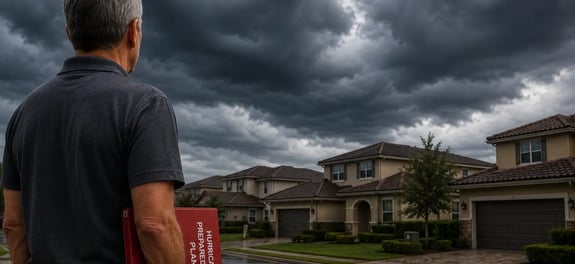
Florida communities are facing increasingly powerful and unpredictable storms. With heavier rainfall, stronger winds, and faster-forming systems, preparation is no longer optional, it's essential. For community association hurricane preparedness, a proactive, organized approach can make all the difference in protecting residents, property, and operations.
Key Takeaways
-
Starting with a written hurricane preparedness plan helps boards, managers, and vendors act quickly.
-
Early preparation reduces last-minute pressure before peak storm season.
-
Resident communication should begin before conditions become urgent.
-
Post-storm documentation is critical for repairs, insurance, and recovery.
-
Hurricane readiness should be reviewed and updated every year.
What Should a Community Association Hurricane Preparedness Plan Include?
Every association should maintain a clear, written hurricane plan that defines roles, responsibilities, and communication protocols. This plan should cover actions before, during, and after a storm, ensuring your board, management team, and vendors are aligned when it matters most.
How Should Associations Prepare Before Peak Hurricane Season?
The most effective preparation happens well before a storm is on the radar. Key steps include the following:
-
Trim trees and remove potential hazards.
-
Service generators and secure adequate fuel supplies.
-
Verify backup power systems are fully operational.
-
Inspect drainage systems, roofs, and common areas.
-
Confirm vendor contracts and availability ahead of demand surges.
What Should Associations Do Before a Storm Arrives?
As a storm approaches, clear and consistent communication is critical.
-
Provide residents with timely updates and instructions.
-
Deploy shutters or protective systems as needed.
-
Secure loose items in common areas.
-
Test communication channels (email, text alerts, and portals).
What Should Associations Prioritize During the Storm?
When conditions deteriorate, safety becomes the top priority.
-
Restrict site access to essential personnel only.
-
Avoid unnecessary risk to staff and vendors.
-
Continue providing updates when it is safe to do so.
What Should Associations Do After the Storm?
Once conditions are safe, act on the following:
-
Contact key vendors immediately for cleanup and repairs.
-
Conduct a thorough post-storm damage assessment.
-
Document all conditions with photos and detailed notes.
-
Notify and coordinate with insurance providers promptly.
-
Keep residents informed of next steps and timelines.
How Can Associations Stay Ready Year-Round?
Hurricane season planning is not a one-time effort. Associations should maintain the following:
-
Keep contact lists current.
-
Back up critical records and documents.
-
Review and update the hurricane plan annually with the board and management team.
The communities that recover fastest are the ones that prepare first. A well-executed plan not only protects property but also builds confidence, trust, and resilience among residents.
Learn More About Hurricane Preparedness for Community Associations
Campbell Property Management regularly hosts educational webinars focused on hurricane preparedness for Florida condominium and HOA boards. Visit CampbellEvents.org to explore upcoming hurricane-related educational opportunities.
This article was originally published in the June issue of the Florida Community Association Journal magazine.
Ashley Dietz is the VP of Marketing at Campbell Property Management and has led the company’s educational and marketing initiatives since 2013. A Florida Atlantic University graduate with a bachelor’s degree in communications, Ashley specializes in community association education, digital outreach, and industry engagement for Florida HOAs and condominiums.