Condo & HOA Hurricane Preparedness Webinar
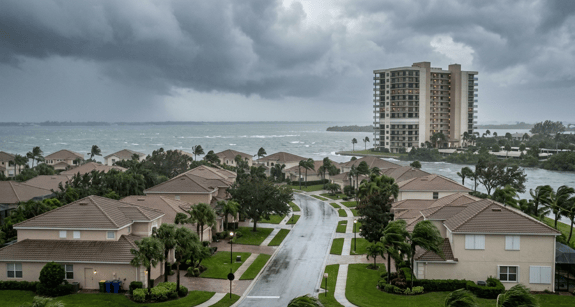
Hurricane season is a critical time for community associations in Florida, and proper condo and HOA hurricane preparedness is essential. In our recent educational webinar with Colleen Dolezal from Campany Roofing, she shared practical, actionable strategies for protecting association properties before, during, and after a storm.
Key Takeaways:
- Identify and mitigate vulnerabilities with pre-storm roof assessments.
- Develop emergency response plans with trusted contractors.
- Document property conditions for streamlined insurance claims.
- Reduce damage, downtime, and costs with immediate post-storm actions.
- Maintain preparedness with regular maintenance and updated emergency protocols.
Disclaimer: This video is for educational purposes only. You will not receive credits for watching the recording. Credits were issued only to those that attended the course.
If you enjoyed this video, check out our YouTube channel and subscribe to view all of our educational videos relating to community association management in Florida.
How Should Condos & HOAs Prepare for Hurricanes?
To ensure effective hurricane preparedness, community associations must conduct pre-storm roof assessments to identify wind-uplift risks and clear debris. It is crucial to establish an emergency response plan with trusted contractors, document all property conditions before the storm, and secure any loose materials. Post-storm, HOA and condo associations should promptly evaluate damage and coordinate with their designated roofing and restoration partners.
Pre-Storm Assessments
A proactive approach to roof maintenance is the first line of defense against hurricane damage. Identifying hazards before a storm hits is essential for protecting your community's infrastructure.
Identifying Wind Uplift Risks
Wind uplift occurs when high winds create a pressure difference that can pull roofing materials away from the building. During a pre-storm assessment, look for signs of vulnerability:
- Bent Metal or Poor Edge Fastening: Inspect the metal pieces along the roof lines. If they are bent or rusted, they may fail during high winds.
- Loose Roofing Material: Ensure that shingles, tiles, or underlayment are securely fastened. Loose materials can easily become projectiles.
- Missing Hurricane Strapping: Verify that roof-to-wall connections are intact and secure.
"We had a client's roof that had such wind uplift that it looked like a circus tent. They had an EPDM roof, and it was literally this one layer just, like, ballooning up, so that was a serious wind uplift risk." - Colleen Dolezal, Campany Roofing
Managing Debris Accumulation
Debris on the roof can cause significant issues during heavy rainfall, leading to water pooling and potential leaks.
- Clear Drains and Gutters: Ensure all roof drains and gutters are free of leaves, trash, and other blockages to allow for proper water flow.
- Check Scuppers: Scuppers must be clear to effectively direct water off the roof.
- Trim Overhanging Branches: Before hurricane season begins (typically June through November), coordinate with your landscaper to trim any trees or branches that could fall onto the roof or become debris.
Ensuring Roof Integrity
The overall integrity of the roof must be evaluated to prevent water intrusion.
- Look for Blistering: Blisters are areas where the roofing material has pulled up, potentially trapping water. These areas require professional repair.
- Inspect Flashings: Ensure all flashings around vents, HVAC units, and other roof penetrations are properly sealed.
- Check for Loose Screws: Particularly around roof-mounted equipment, loose screws can compromise the roof's watertight seal.
Emergency Response Planning
Having a solid emergency response plan is a cornerstone of effective HOA and condo hurricane protection. When a storm strikes, knowing whom to call and what steps to take can minimize damage and expedite recovery.
Establishing Contractor Relationships
Building a rapport with your roofing contractor before a storm is vital. Discuss their emergency response times and procedures.
- Understand Response Times: Know how quickly your contractor can assess and address leaks or damage after a storm.
- Temporary Repairs: Inquire about their capabilities for temporary repairs, such as tarping or shrink-wrapping, to prevent further water intrusion while permanent repairs are planned.
Creating an Emergency Contact List
Organization is key during an emergency. Maintain a comprehensive contact list that includes:
- Roofing contractors
- Water restoration and mold mitigation specialists
- Mechanical and stucco professionals
- Designated board members or property managers responsible for coordinating the response
Securing Materials
Develop a plan for securing any hazardous or loose materials on the property. This includes pool furniture, outdoor equipment, and any construction materials that could become airborne during high winds.
Post-Storm Damage Evaluation
Once the storm has passed and it is safe to do so, a thorough evaluation of the property is necessary to assess any damage and begin the restoration process.
Documenting Damage
Documentation is critical for insurance claims and ensuring all necessary repairs are identified.
- Take Photographs: Capture clear "before and after" photos of any damage, including temporary repairs made to mitigate further issues.
-
Detailed Reporting: Keep detailed records of all assessments, including any moisture readings taken inside the building.
"You want to document everything. Make sure you're getting those photos to document all the action that has been taken, showcasing your proactive involvement to prevent further damage." - Colleen Dolezal, Campany Roofing
Planning for Restoration
Coordinate with your designated contractors to plan for permanent repairs. Prioritize issues that pose a safety risk or could lead to further structural damage. Ensure that all repairs meet current building codes and standards for condo and HOA hurricane preparedness.
Frequently Asked Questions
When is the best time to trim trees for hurricanes?
Hurricane season runs from June through November. It is best to trim trees and clear overgrowth before the season begins, or as soon as significant growth is noticed. Coordinate with your landscaping professional to establish a routine trimming schedule.
What happens to the roof warranty if the roofing company goes out of business?
If the original contractor goes out of business, the contractor's warranty (which covers installation) may be void. However, the manufacturer's warranty for the roofing materials may still be valid. It is important to review your warranty documents and contact the manufacturer directly if you need to file a claim for material defects. For emergency repairs, you will need to contact a new, reputable roofing contractor.
Ashley Dietz is the VP of Marketing at Campbell Property Management and has led the company’s educational and marketing initiatives since 2013. A Florida Atlantic University graduate with a bachelor’s degree in communications, Ashley specializes in community association education, digital outreach, and industry engagement for Florida HOAs and condominiums.