Property Damage Restoration Webinar
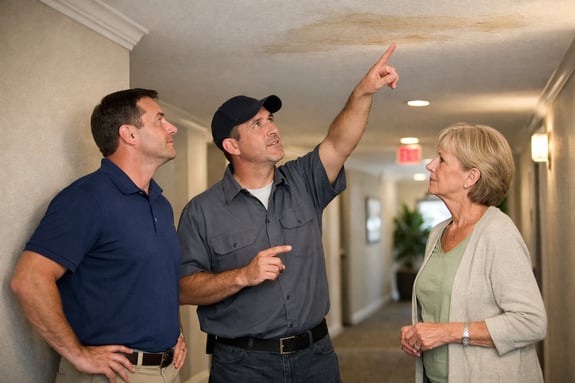
Effective property damage restoration for property managers is a critical component of maintaining the safety and value of community associations. To help communities better navigate these challenges, we recently hosted an educational webinar, featuring Darren Hudema from PuroClean, who provided expert guidance on navigating the complexities of water, mold, and fire damage. This discussion focused on practical response strategies, mitigation protocols, and the importance of clear communication during a loss.
Understanding the fundamentals of restoration allows board members and property managers to lead their communities through challenging recovery processes with confidence. By prioritizing proactive planning and vendor coordination, associations can minimize long-term liability and ensure a faster return to normalcy for their residents.
Disclaimer: This video is for educational purposes only. You will not receive credits for watching the recording. Credits were issued only to those that attended the course.
If you enjoyed this video, check out our YouTube channel and subscribe to view all of our educational videos relating to community association management in Florida.
Key Takeaways
-
Water Damage Classification: Understanding the categories and classes of water damage is essential for determining the appropriate mitigation strategy and ensuring resident safety.
-
Mold Remediation Protocols: Following established industry standards for mold removal helps associations manage health risks and limit potential liability after a water loss.
-
Fire and Smoke Restoration: Effective fire recovery involves specialized cleanup and odor removal techniques to address both visible damage and hidden contaminants.
-
Proactive Response Strategies: Developing a clear response plan and maintaining strong vendor relationships are crucial for minimizing property loss and streamlining the restoration process.
What are the Fundamentals of Water Damage Mitigation?
Water damage is often categorized by the level of contamination present in the source. Category 1 water, such as a broken supply line, is relatively clean, while Category 3 water, often referred to as black water, contains significant pathogens and requires specialized handling. Identifying the category early in the process ensures that the restoration team uses the correct personal protective equipment and sanitization methods to protect the community.
The class of water damage refers to the rate of evaporation and the amount of moisture absorbed by materials like carpets, drywall, and structural wood. High-class losses involve significant saturation and require more intensive drying equipment and longer monitoring periods. Addressing these issues promptly through professional financial and accounting services and proper vendor coordination can prevent secondary damage like structural instability or mold growth.
"The goal of water mitigation is to stabilize the environment as quickly as possible to prevent further damage and protect the health of the residents." - Darren Hudema, PuroClean
Navigating Mold Remediation and Liability
Establishing Proper Protocols
Mold growth can begin within 24 to 48 hours of a water intrusion, making rapid response a top priority for HOA management. Professional remediation involves containing the affected area, using high-efficiency particulate air (HEPA) filtration, and physically removing the mold from surfaces. Simply spraying a biocide is rarely sufficient, as dead mold spores can still trigger allergic reactions and health issues.
Associations must follow industry standards, such as the IICRC S520, to ensure the remediation is thorough and defensible. This process often includes third-party air quality testing to verify that the environment is safe for occupancy. Proper documentation of these steps is vital for insurance claims and for demonstrating that the board has met its fiduciary duty to maintain the property.
Managing Community Liability
Liability often stems from a failure to respond adequately or from using unqualified vendors who do not follow proper safety protocols. When mold is discovered, it is essential to communicate clearly with residents about the steps being taken and the expected timeline for repairs. This transparency helps manage expectations and reduces the likelihood of legal disputes or resident dissatisfaction.
Boards should also review their community association insurance policies to understand coverage limits for mold and pollution. Working with experienced professionals ensures that the association is protected both physically and legally. Taking a proactive stance on property maintenance, as discussed in our guide on hurricane preparedness, can significantly reduce the risk of large-scale mold issues.
Best Practices for Fire and Smoke Restoration
Fire damage involves more than just charred materials; smoke and soot can penetrate deep into the building structure and HVAC systems. Restoration professionals use specialized techniques to neutralize odors and remove fine particulates. It is crucial to address these issues quickly, as soot is acidic and can cause permanent staining or corrosion on metal surfaces and electronics within days.
For condominium management, fire restoration often requires coordination between multiple units and common areas. This complexity underscores the need for a centralized response plan and a trusted restoration partner who can manage the entire project from cleanup to reconstruction. Ensuring that the building's structural integrity is verified by experts is a non-negotiable step in the recovery process.
"Fire restoration is a detailed process that requires addressing both the visible damage and the invisible contaminants that can affect long-term air quality." - Darren Hudema, PuroClean
Frequently Asked Questions
How does the classification of water affect the restoration process?
The classification determines the level of sanitization and the type of materials that can be salvaged. Category 1 water allows for more drying in place, while Category 3 water typically requires the removal of porous materials like drywall and padding to ensure the environment is safe.
What should a property manager do immediately after a loss is reported?
The immediate priority is to stop the source of the damage and ensure the safety of all residents. Once the area is stable, the manager should document the damage with photos, contact the insurance carrier, and engage a professional restoration vendor to begin the mitigation process.
Subscribe to Florida Association News (FAN) and stay informed with the latest in community association news, educational insights, industry updates, and upcoming webinars.
Ashley Dietz is the VP of Marketing at Campbell Property Management and has led the company’s educational and marketing initiatives since 2013. A Florida Atlantic University graduate with a bachelor’s degree in communications, Ashley specializes in community association education, digital outreach, and industry engagement for Florida HOAs and condominiums.